Posted inGrammar Confused Words Forth or Fourth: What Is the Difference? Posted by Emily Carter September 5, 2026Quick Answer:Forth means forward, onward, or into view. Fourth means number four in a sequence.…
Posted inGrammar Grammar Rules Accommodation or Accommodations: Which One Should You Use? Posted by Daniel Brooks September 5, 2026Quick Answer:Accommodation is the singular form, while accommodations is the plural form. In US English,…
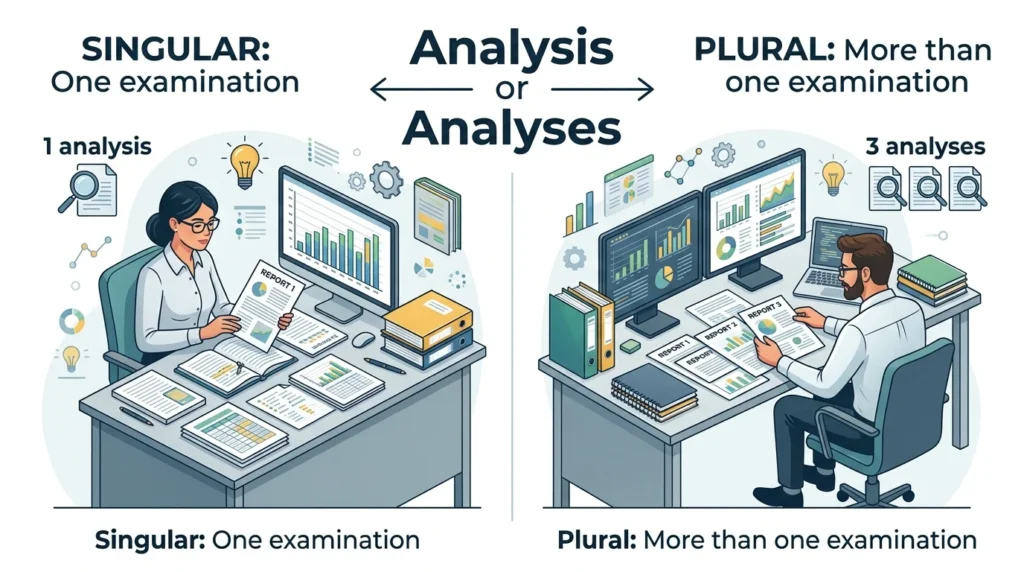
Posted inGrammar Grammar Rules Analysis or Analyses: What Is the Difference? Posted by Emily Carter September 5, 2026Quick Answer:Analysis is the singular form, while analyses is the plural form. Use analysis when…
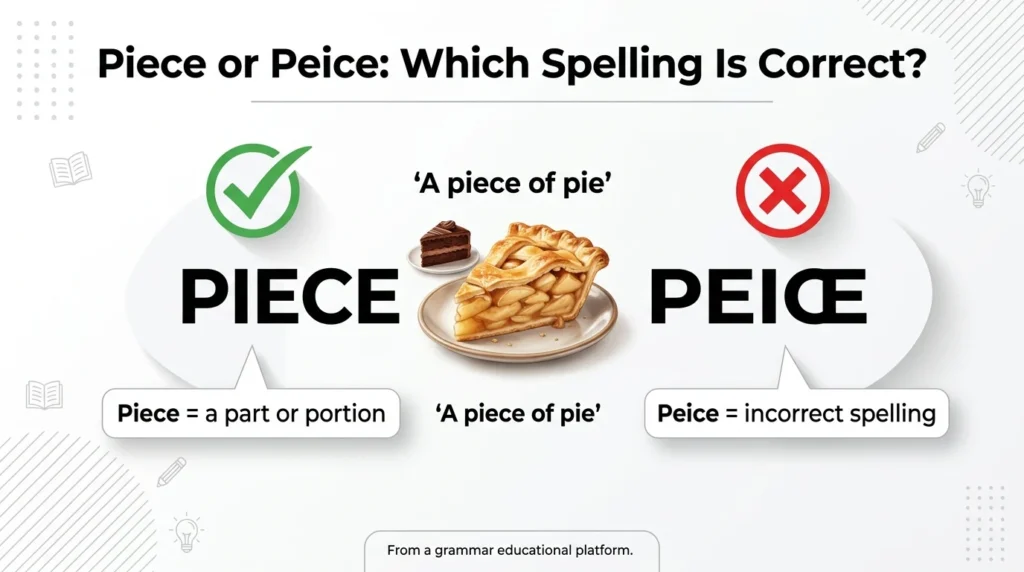
Posted inGrammar Spelling Piece or Peice: Which Spelling Is Correct? Posted by Emily Carter September 4, 2026Quick Answer:Piece is the correct spelling. Peice is a common spelling mistake. Use piece when…
Posted inGrammar Confused Words Meet or Meat: What Is the Difference and How Do You Use Them? Posted by Michael Turner September 4, 2026Quick Answer:Meet is a verb that means to come together with someone, encounter someone, or…
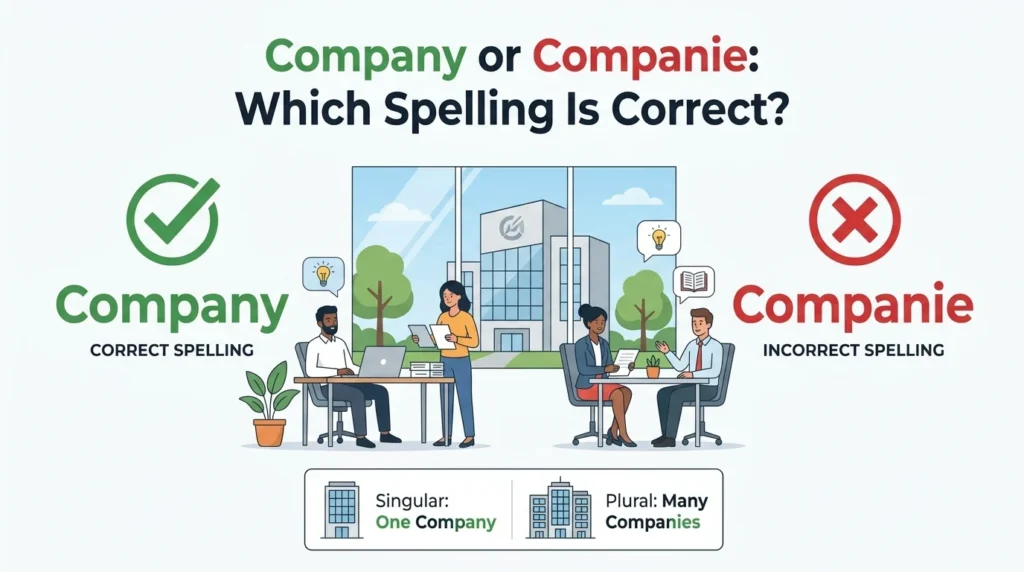
Posted inGrammar Spelling Company or Companie: Which Spelling Is Correct? Posted by Emily Carter September 4, 2026Quick Answer:Company is the correct spelling in modern English. Companie is an incorrect spelling when…
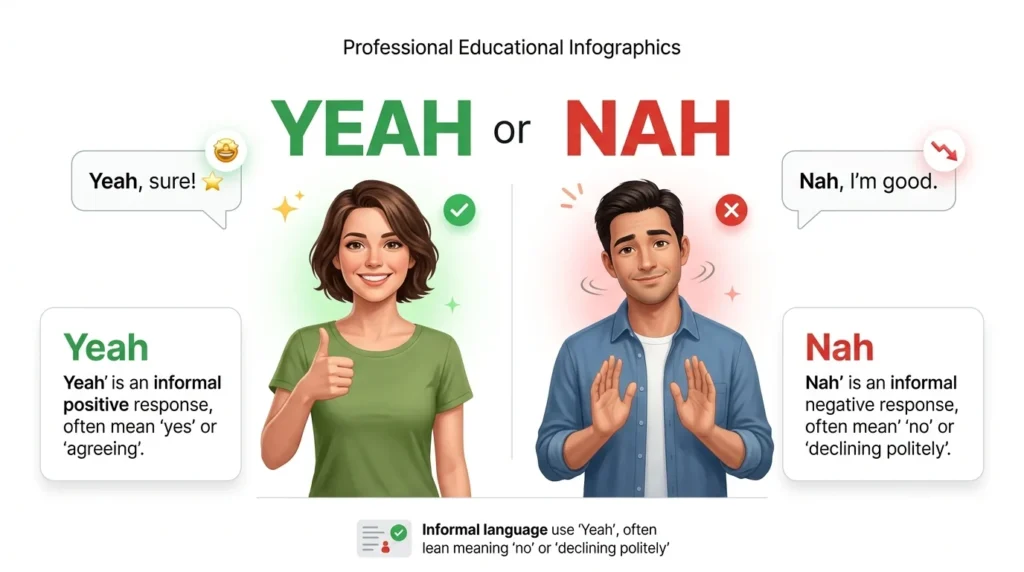
Posted inComparisons Yeah or Nah: What Do These Words Mean and How Do You Use Them? Posted by Daniel Brooks September 3, 2026Quick Answer:Yeah is an informal way to say yes, while nah is an informal way…
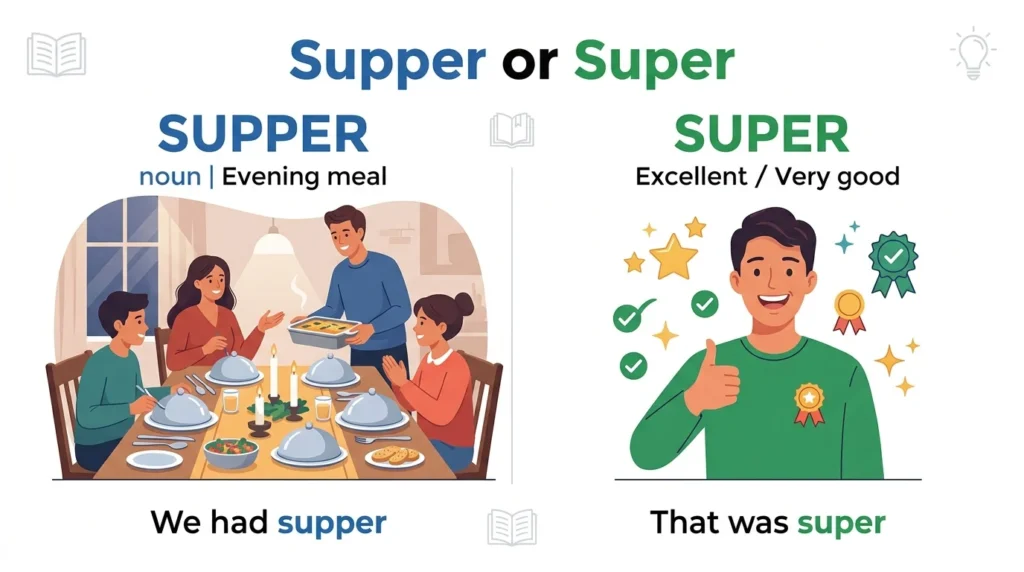
Posted inGrammar Confused Words Supper or Super: What Is the Difference? Posted by Michael Turner September 3, 2026Quick Answer:Supper means an evening meal, while super usually means excellent, very good, or above…
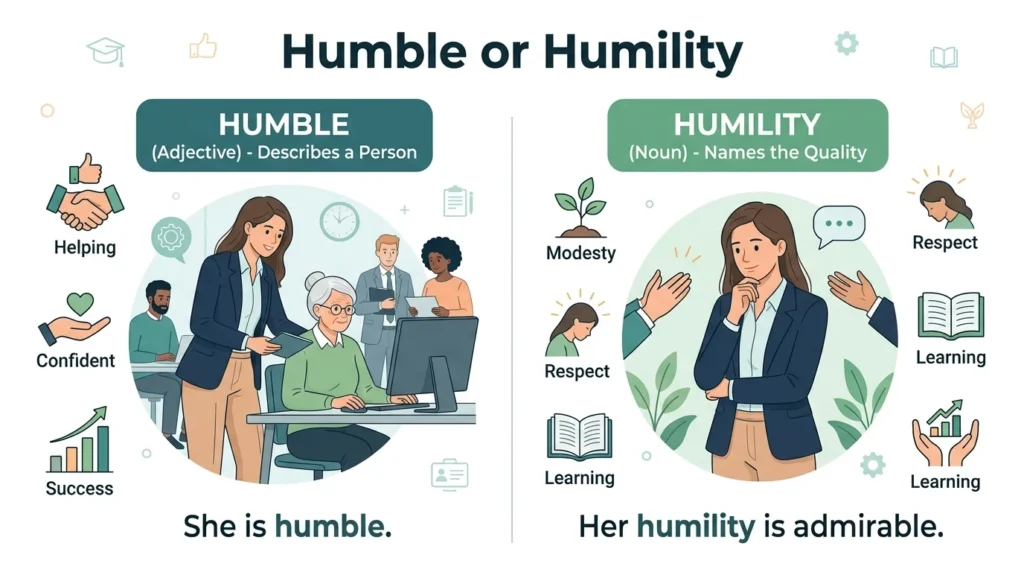
Posted inGrammar Grammar Rules Humble or Humility: What Is the Difference and How Do You Use Them? Posted by Daniel Brooks September 3, 2026Quick Answer:Humble is an adjective that describes a person, attitude, or behavior. Humility is a…
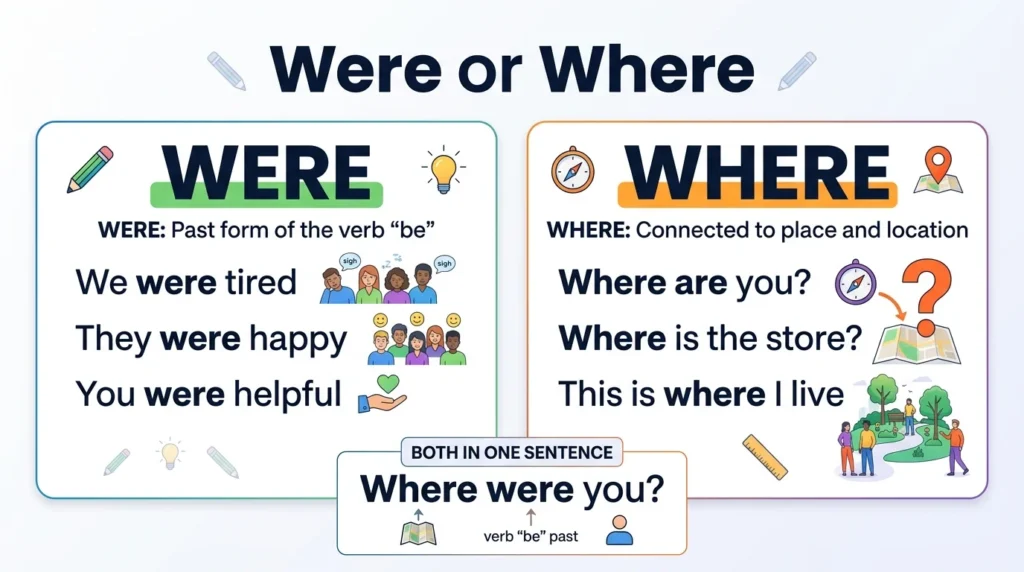
Posted inGrammar Confused Words Were or Where: Understanding the Difference With Simple Examples Posted by Emily Carter September 3, 2026Quick Answer:Were is a past-tense form of the verb be, while where refers to a…