

Getting a driver’s license feels like freedom until a dashboard light appears or a technician mentions serpentine belts, tread depth, and coolant flushes. You do not need to become a mechanic, but understanding common terms helps you ask better questions, recognize urgent problems, and avoid unnecessary expenses.
Why maintenance vocabulary matters
The words used during a service visit influence what you approve and spend. If you cannot distinguish brake pads from rotors, an estimate may be difficult to assess. Similar confusion arises when someone recommends a battery test, fluid replacement, or tire service.
A glossary can make those conversations less intimidating. Reviewing an essential car maintenance glossary introduces common terms before you need to decide at a repair counter. Use it as a starting point alongside your owner’s manual and a qualified technician’s advice.
Knowing the language also helps you describe changes in how the vehicle sounds, smells, or feels. Clear descriptions help technicians diagnose problems.
The fluids that keep major systems working
Engine oil lubricates moving parts and reduces friction. Coolant regulates engine temperature. Brake fluid transfers force through the hydraulic braking system, while transmission fluid lubricates components and supports gear operation.
A top-off adds fluid when the level is low; a flush generally removes old fluid and replaces it. Ask why a flush is recommended and whether the manufacturer specifies an interval.
Viscosity describes how readily oil flows at different temperatures. A grade such as 5W-30 identifies performance characteristics, not a quality ranking. Use the grade and specification listed for your vehicle.
Low fluid levels can indicate leaks or wear. If a level keeps dropping, arrange an inspection instead of repeatedly adding fluid. Never ignore a leak, warning light, or sudden change.
Tire terms reveal safety and wear
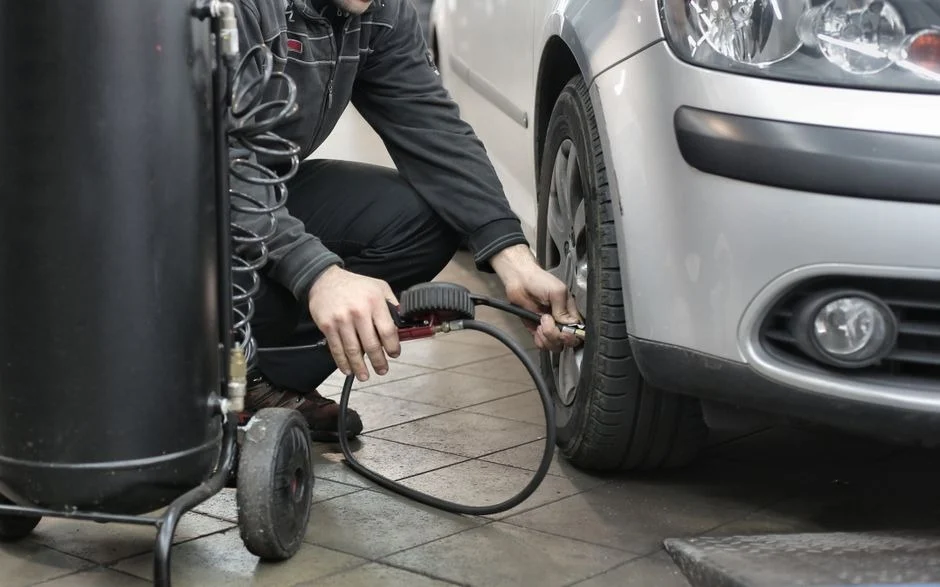
Tread depth measures the rubber remaining in the grooves that help a tire grip the road. As tread wears down, wet-weather traction can deteriorate. Tire pressure matters too: underinflation can create excess heat and irregular wear, while overinflation can reduce contact with the road.
Rotation moves tires to different positions to encourage even wear. Balancing corrects uneven weight distribution in the wheel-and-tire assembly, which can cause vibration. Alignment adjusts wheel angles so the vehicle travels as intended. Ask what supports the recommendation.
Uneven wear offers clues. One shoulder wearing faster may indicate an alignment or inflation issue. Cupping—alternating high and low patches—can point to a tire, wheel, or suspension problem. Have unusual patterns inspected rather than guessing.
The NHTSA tire safety guidance explains how to check pressure, monitor tread, and understand rotation, balancing, and alignment. Check pressure regularly when tires are cold, using the vehicle manufacturer’s recommended figure—not the maximum printed on the tire sidewall.
Brakes and suspension affect control
Brake pads create friction against rotors, the discs attached to the wheels. Calipers hold the pads and press them against the rotors when you brake. Brake fluid, hoses, and warning indicators are other parts of the system.
Squealing may indicate worn pads or another issue. Grinding can mean friction material is severely worn and metal parts are contacting. A pulsing pedal or steering-wheel vibration during braking deserves prompt inspection. Do not diagnose the cause from sound alone.
Shocks and struts control suspension movement and help keep tires in contact with the road. Excessive bouncing, nose-diving under braking, or instability over bumps can signal worn components. Have concerning symptoms assessed promptly because suspension and brake problems affect control.
Dashboard warnings need a response
Warning lights are messages from vehicle monitoring systems. A check engine light can have many causes, from a loose fuel cap on some vehicles to an engine misfire. A diagnostic scan identifies stored fault codes, but a code is a clue, not a complete diagnosis.
A flashing check engine light can indicate a serious misfire. Stop in a safe place and arrange professional advice rather than continuing to drive normally. A red oil-pressure or overheating warning is especially urgent: pull over safely, switch off the engine, and follow the owner’s manual. Continuing can cause major damage.
Battery, brake, and tire-pressure warnings also deserve attention. Learn their meanings in advance using your owner’s manual.
Service intervals and driving conditions
Preventive maintenance means inspecting or replacing parts before they fail. A manufacturer maintenance schedule sets recommended checks, often based on time, mileage, or both. Follow the schedule for your exact model. Keep receipts and record dates and mileage; a simple maintenance log helps you track completed work and identify overdue services.
Severe driving conditions can include frequent short journeys, heavy traffic, prolonged idling, dusty roads, towing, or extreme temperatures. If these describe your routine, the manufacturer may recommend more frequent service.
You can make this process easier by following a practical car maintenance checklist that covers routine inspections and common service tasks. Use it alongside your owner’s manual, since maintenance requirements vary by vehicle and driving conditions.
Low mileage does not eliminate maintenance. Batteries can lose charge, tires can age, and fluids can deteriorate while a car is parked. Check the schedule even if you rarely drive.
How to speak confidently with a repair shop
Describe what happened rather than guessing which part failed. Explain when a noise occurs, whether it changes with speed or braking, and how long it has been present. “The steering wheel vibrates at highway speed” is more useful than “I think the axle is broken.”
Before approving work, ask whether it is routine maintenance, normal wear, or an active fault. Find out how urgent it is, what evidence supports the recommendation, and what could happen if you wait. Request an itemized estimate and, where practical, ask to see the worn part or measurement.
Ask which repairs are essential for safe operation and which can wait. A trustworthy shop should explain its reasoning without pressuring you.
Build knowledge before a problem appears
Start with fluids, tires, brakes, dashboard warnings, and service intervals. Learn where to find your maintenance schedule, recommended tire pressure, and warning-light explanations.
Preparation makes ownership less stressful. Understanding the language helps you compare estimates, describe symptoms, and make safer, more informed decisions.