
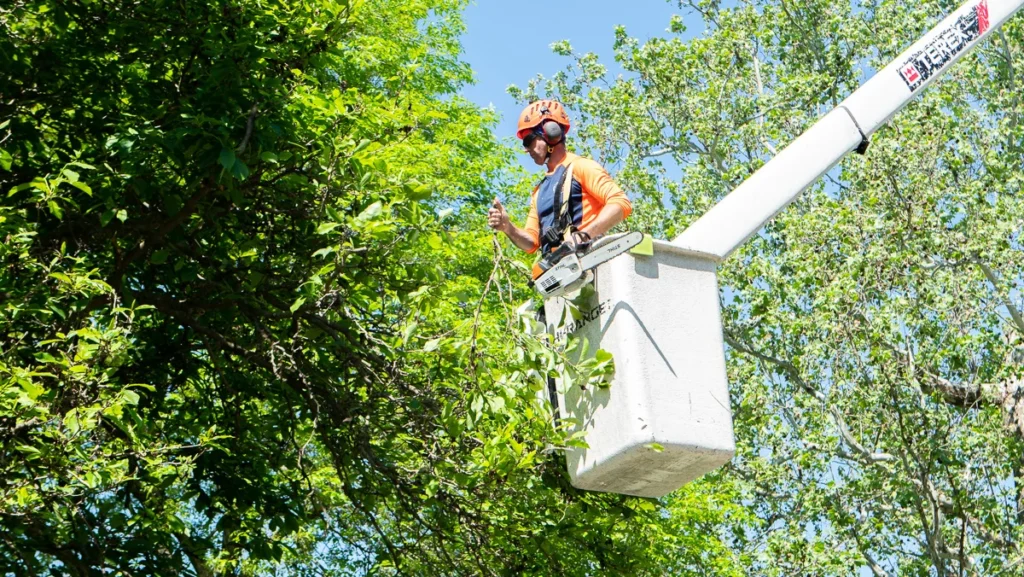

In Chesnee, South Carolina, trees provide shade, privacy, and natural beauty, but damaged limbs, decaying trunks, unstable roots, and overgrown branches can pose serious risks to nearby homes, vehicles, and walkways. Warrior Tree Service helps homeowners, businesses, and property managers address these concerns through tree trimming, pruning, removal, stump grinding, and storm damage cleanup. Whether you are managing a hazardous tree or maintaining your property before severe weather arrives, choosing the right service starts with understanding the tree’s condition and the risks it presents.
Cost is another important consideration when planning tree work. Factors such as tree height, trunk size, overall condition, equipment access, proximity to buildings, and debris removal can affect the final estimate. Reviewing information about tree removal costs in Spartanburg County can help property owners understand these variables and prepare useful questions before requesting an on-site assessment. By identifying potential hazards early and establishing a clear work plan, Chesnee property owners can make informed decisions to protect their property and keep outdoor spaces safer.
Why Tree Planning Matters in Chesnee
Chesnee sits in a landscape where established trees often share space with houses, detached garages, barns, fences, rural driveways, and growing commercial corridors. That proximity is what makes routine tree care important. A branch that appears harmless over an open lawn may become a problem when it extends over a roofline, blocks a driveway, rubs siding, or hangs above the area where family members and visitors walk.
Tree work does not have a universal price because site conditions matter. Height, trunk diameter, tree condition, access for equipment, nearby structures, utility concerns, debris handling, and the need for specialized rigging can all affect the scope of a job. Property owners researching tree removal costs in Spartanburg County can use those factors to better understand why an on-site estimate is more useful than a one-size-fits-all quote.
Local weather is another reason to plan ahead. Strong thunderstorms, wind, heavy rain, drought stress, and occasional ice can all reveal weaknesses that were not obvious during calm weather. Saturated soil can reduce a tree’s stability, while a canopy loaded with dead or overextended limbs can be more vulnerable to breakage. Prevention does not mean removing every mature tree from a Chesnee property. It means identifying the trees or limbs that pose an unreasonable risk and selecting the safest, least disruptive solution.
Warning Signs That a Tree Needs Professional Attention
A tree does not need to be completely dead to create a hazard. Changes in its appearance, root zone, or branch structure may indicate a problem that should be evaluated before the next storm. The most concerning signs often include the following:
- A new lean, or a lean that has become more noticeable over time.
- Large dead, broken, hanging, or detached branches in the canopy.
- Visible cracks in the trunk or where major limbs join the tree.
- Soft, hollow, decayed, or heavily damaged areas on the trunk.
- Loose bark, cavities, fungal growth near the base, or visible decay.
- Exposed roots, soil lifting, root heaving, or movement around the trunk after rain or wind.
- Branches extending over homes, driveways, sidewalks, roads, sheds, fences, or parked vehicles.
- Thin foliage, dieback, insect damage, or signs that a tree is under prolonged stress.
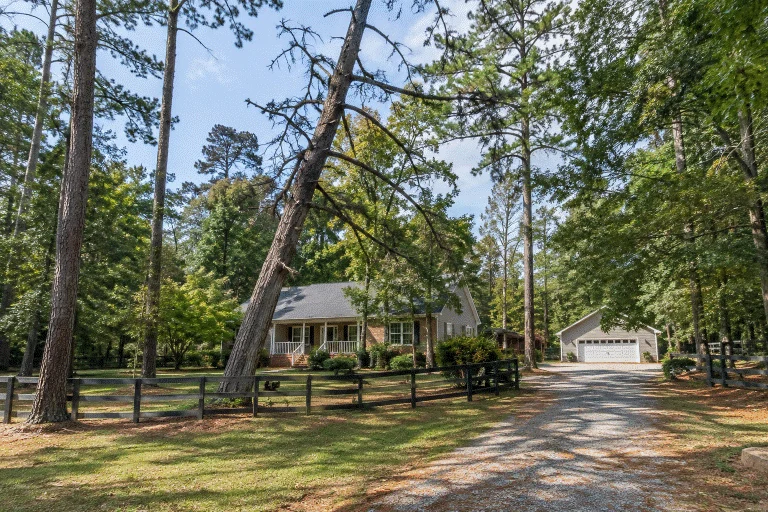
These signs do not automatically mean a tree must come down. A professional assessment considers the tree’s condition, the likely direction of failure, and the consequences if it falls or sheds a major limb. A healthy tree with a limited amount of deadwood may be a good candidate for selective pruning. A tree with deep decay, major trunk cracks, root failure, or a compromised location near a house may require removal instead.
When Trimming, Pruning, and Removal Each Make Sense
Tree Trimming for Clearance and Immediate Hazards
Tree trimming is often appropriate when branches are overgrown, dead, rubbing against a structure, or reducing safe clearance around a driveway, sidewalk, roof, or building entrance. Removing a targeted limb can prevent roof contact, improve visibility, and reduce the chance that a weak branch will break during a storm.
Tree Pruning for Structure and Long-Term Health
Pruning should be intentional, not simply cutting back as much canopy as possible. Sound pruning focuses on dead, diseased, broken, weak, or poorly placed growth. The tree pruning guidance for South Carolina properties advises that large-tree pruning involving climbing or heavy limbs should be left to skilled professionals. It also cautions against topping, a practice that leaves large wounds and can encourage weakly attached regrowth.
For a Chesnee homeowner, the practical goal is to reduce risk without causing unnecessary damage to a valuable tree. Pruning may involve removing deadwood, reducing the weight of a long horizontal limb, correcting competing leaders, or lifting low limbs away from driveways and walking areas. Over-pruning, however, can stress a tree and reduce its ability to maintain healthy growth.
Tree Removal for Serious Structural Problems
Removal may be the responsible choice when a tree is dead, severely decayed, uprooting, split through a major union, or positioned where failure could damage a home or block critical access. It can also be necessary when a storm has broken the trunk or left a tree lodged against another tree. Removal near homes, utility corridors, fences, landscaping, or tight property lines requires a controlled plan rather than an improvised cut.
When Tree Removal May Be Necessary
Tree removal may be appropriate when a tree is dead, severely decayed, structurally compromised, at risk of uprooting, or extensively damaged by a storm. Removal may also be considered when the tree’s condition and location create a significant risk to a home, garage, driveway, fence, or other important part of the property.
Warrior Tree Service lists tree removal as one of its core services. For property owners, the important question is not simply whether a tree is large or old, but whether its condition and location make continued retention unsuitable.
A safe removal plan should account for nearby buildings, landscaping, vehicles, access routes, utility hazards, and the direction in which tree sections can be moved. A tree in an open yard presents different challenges from one growing between a house and a fence. Restricted access may require sections to be removed in stages rather than allowing large pieces to fall freely.
Warrior Tree Service uses professional rigging and crane-assisted techniques when site conditions call for them. These approaches may be relevant for challenging removals where the crew needs to control how sections are lowered or moved. The specific method should be determined by the tree’s condition, the surrounding property, and the available work area.
Property owners should ask what equipment and techniques are expected for their project and whether the estimate covers debris hauling, stump grinding, and final cleanup. Confirming these details helps establish clear expectations before removal begins.
Storm Risk Has a Local Context Near Chesnee
Tree hazards are not a theoretical issue in the Chesnee area. The South Carolina State Climatology Office documented an EF1 tornado on October 23, 2017, beginning about one mile southeast of Chesnee near the Cherokee and Spartanburg county line. The reported damage was largely confined to uprooted and snapped trees as the tornado moved northeast. That record of Chesnee-area tornado damage involving uprooted and snapped trees is a useful reminder that wind events can turn unnoticed weaknesses into immediate property hazards.
That history does not mean every mature oak, pine, maple, or poplar in Chesnee is unsafe. It does show why preparation is valuable. Tree inspections are especially sensible after high winds, prolonged rain, construction near the root zone, visible root disturbance, or a noticeable change in the tree’s lean or canopy condition.
Emergency Tree Service and Storm Damage Cleanup
After a storm, a fallen tree or damaged limb can block a driveway, damage a roof, obstruct a business entrance, or leave unstable branches hanging above a frequently used area. These situations may require urgent attention, especially when they affect access or create a potential danger to people.
Warrior Tree Service advertises 24/7 emergency tree service and storm damage cleanup for urgent situations. Property owners dealing with storm damage can describe the tree’s location, the extent of visible damage, and whether a structure or access route is affected when requesting assistance.
Common situations that may warrant urgent attention include:
- A tree that has fallen onto a home, garage, vehicle, or other structure.
- A large branch suspended above a roof, driveway, or walkway.
- A fallen tree blocking an important entrance or access route.
- A tree that has split or begun leaning more noticeably after wind or rain.
- Storm debris that creates a hazard near a home, business, or frequently used area.
Safety should come before cleanup. Keep people and pets away from damaged trees and hanging limbs. If a tree or branch is touching a power line, stay away and contact the utility provider or emergency services as appropriate. Do not attempt to move branches or cut a tree that is under tension.
Warrior Tree Service’s advertised emergency availability is a useful consideration for property owners who need to discuss urgent tree hazards. Actual response timing may depend on weather, road access, and the number of emergency requests being handled.
What to Expect When Requesting Service From Warrior Tree Service
A clear service request begins with a description of the tree and the concern. Property owners can explain whether the tree is dead, leaning, overgrown, storm-damaged, or located too close to a building. It is also helpful to mention fences, gates, narrow driveways, steep terrain, landscaping, and other features that may affect equipment access.
The process can include the following steps:
- Describe the concern. Explain the tree’s location, visible damage, and whether the issue is urgent.
- Arrange an on-site assessment. Review the tree’s condition, nearby structures, work area, and access limitations.
- Discuss the recommended service. Confirm whether the project involves trimming, pruning, removal, storm cleanup, stump grinding, or a combination of services.
- Review the written estimate. Ask what work is included, how debris will be handled, and whether additional services are optional.
- Confirm the work plan. Discuss equipment access, property protection, and any preparations needed before the crew arrives.
- Review the completed work. Confirm that the agreed scope and cleanup arrangements have been addressed.
Warrior Tree Service’s range of listed services gives property owners several options to discuss. The most useful estimate is one that clearly identifies the work, the expected cleanup, and any conditions that could change the plan.
Questions to Ask Before Hiring a Tree Service
When considering tree work, property owners should look beyond the initial price. A clear estimate and an understanding of the proposed method can help them compare services and determine whether the scope addresses their concerns. Questions to ask Warrior Tree Service include:
- Is the company licensed and insured, and can it provide proof of coverage?
- Does the estimate identify the specific trees, limbs, or stumps included in the work?
- Are hauling, chipping, raking, and debris removal included in the quoted scope?
- How will the crew protect nearby structures, driveways, landscaping, and fences?
- What equipment or rigging will be used if the tree is close to a home or utility line?
- How will the company communicate if site conditions require a change in scope?
- Is emergency response available for fallen trees and storm-related hazards?
Protect Your Property Before the Next Storm
A tree can stand for decades before a weakened branch, unstable root system, or sudden change in weather reveals a hidden problem. Warrior Tree Service gives Chesnee-area property owners several ways to address these concerns, from routine trimming and pruning to tree removal, stump grinding, and emergency storm cleanup. Its advertised 24/7 emergency availability and stated use of rigging and crane-assisted techniques when conditions call for them are relevant considerations for property owners facing urgent or challenging tree work. Do not wait for the next storm to make the decision for you; identify the warning signs, discuss your options with Warrior Tree Service, and take a practical step toward a safer, more usable property.