

Quick Ans:
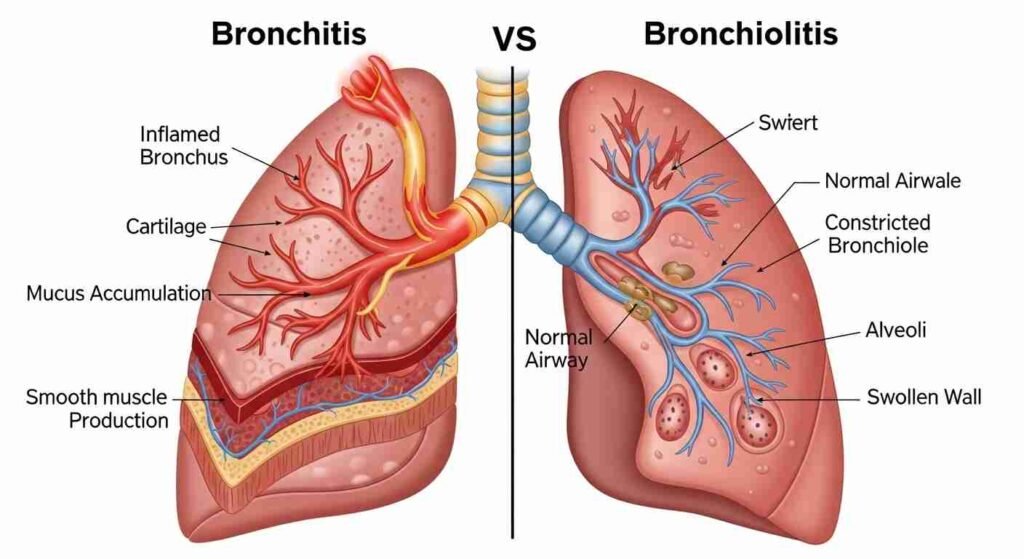
Bronchitis and bronchiolitis are both lung infections but they affect different airways. Bronchitis inflames the larger breathing tubes called bronchi, while bronchiolitis inflames the smaller air passages called bronchioles, mainly in infants and young children.
Many people get confused between bronchitis and bronchiolitis because both are chest infections that cause cough and breathing problems. The names sound similar, and the symptoms often overlap. However, these two conditions are not the same.
They affect different parts of the lungs and usually occur in different age groups. Understanding bronchitis vs bronchiolitis is important for parents, students, and anyone who wants clear knowledge about respiratory health.
Bronchitis is more common in adults and older children. It affects the main breathing tubes that carry air to the lungs. Bronchiolitis mostly affects babies and toddlers. It involves the tiny airways deep inside the lungs.
Knowing this difference helps in early diagnosis, proper treatment, and preventing complications. It also helps caregivers understand when to seek medical help.
This guide explains bronchitis vs bronchiolitis in simple and clear language. You will learn definitions, symptoms, causes, treatment methods, real life examples, common mistakes, exercises with answers, and professional medical insights. The content is designed for beginners but also useful for advanced learning.
Quick Answer or Overview
Bronchitis vs bronchiolitis can be understood with one basic idea.
Bronchitis is inflammation of the larger air tubes called bronchi.
Bronchiolitis is inflammation of the smaller air passages called bronchioles.
Bronchitis usually affects adults and older children.
Bronchiolitis mainly affects infants and children under two years of age.
Quick Comparison Table
| Feature | Bronchitis | Bronchiolitis |
|---|---|---|
| Area affected | Large airways called bronchi | Small airways called bronchioles |
| Common age group | Adults and older children | Infants and toddlers |
| Main cause | Viral or bacterial infection | Mostly viral infection |
| Symptoms | Cough with mucus, chest discomfort | Wheezing, fast breathing, cough |
| Severity | Mild to moderate | Can be serious in infants |
| Treatment | Rest, fluids, medication | Supportive care and monitoring |
Definition and Explanation of Bronchitis vs Bronchiolitis
What Is Bronchitis
Bronchitis is a condition where the bronchi become inflamed. These bronchi are the main tubes that carry air from the windpipe into the lungs. When these tubes swell and produce mucus, it becomes hard to breathe comfortably. People with bronchitis usually have a persistent cough and chest tightness.
Bronchitis can be acute or chronic. Acute bronchitis lasts a short time and often follows a cold or viral infection. Chronic bronchitis is a long term condition usually linked with smoking or long exposure to pollution.
What Is Bronchiolitis
Bronchiolitis is inflammation of the smallest airways in the lungs called bronchioles. These tiny passages become swollen and filled with mucus. This makes breathing difficult, especially for babies whose airways are already small.
Bronchiolitis is most common in infants under two years old. It is usually caused by viral infections such as respiratory syncytial virus.
Lung Airway Differences
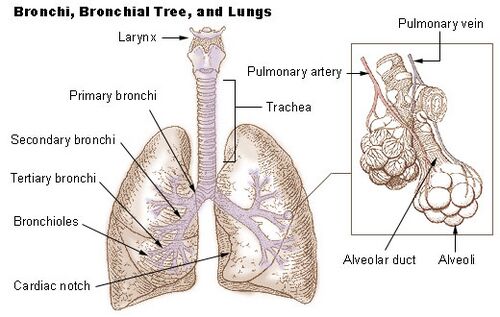
These illustrations show how bronchitis affects larger airways while bronchiolitis affects tiny deeper air passages.
Understanding the Airway Structure
To clearly understand bronchitis vs bronchiolitis, it helps to know basic lung anatomy. Air enters through the nose or mouth, travels down the windpipe, and enters the bronchi. These bronchi then branch into smaller tubes called bronchioles. At the end of bronchioles are tiny air sacs called alveoli where oxygen exchange occurs.
Bronchitis inflames the bronchi.
Bronchiolitis inflames the bronchioles.
This difference in location explains why bronchiolitis is more dangerous for infants because their small airways can easily become blocked.
Causes of Bronchitis vs Bronchiolitis
Causes of Bronchitis
Viral infections such as influenza
Bacterial infections
Smoking or exposure to smoke
Air pollution and irritants
Causes of Bronchiolitis
Respiratory syncytial virus is the most common cause
Other viral infections such as influenza or adenovirus
Close contact with infected individuals
Weak immune system in infants
Health organizations like the World Health Organization and the Centers for Disease Control and Prevention emphasize that viral infections are the leading cause of bronchiolitis in young children.
Symptoms of Bronchitis vs Bronchiolitis
Symptoms of Bronchitis
Persistent cough with mucus
Chest tightness or discomfort
Fatigue and mild fever
Sore throat and body aches
Symptoms of Bronchiolitis
Rapid breathing
Wheezing sound while breathing
Cough and feeding difficulty in infants
Nasal flaring and chest retractions in severe cases
Symptom Comparison Table
| Symptom | Bronchitis | Bronchiolitis |
|---|---|---|
| Cough | Common with mucus | Common but often dry |
| Fever | Mild | May or may not be present |
| Wheezing | Sometimes | Very common |
| Breathing difficulty | Mild to moderate | Can be severe in infants |
| Feeding issues | Rare | Common in babies |
Real World Examples of Bronchitis vs Bronchiolitis
Example One Adult With Bronchitis
An adult catches a cold that turns into a persistent cough with mucus. The doctor diagnoses acute bronchitis. Rest and fluids help recovery within a few weeks.
Example Two Infant With Bronchiolitis
A six month old baby develops wheezing and fast breathing after a viral infection. The pediatrician diagnoses bronchiolitis and recommends close monitoring and supportive care.
Example Three Seasonal Outbreaks
During winter seasons, bronchitis cases increase among adults while bronchiolitis cases rise in infants due to viral spread in daycare centers.
Lung Infection in Children and Adults
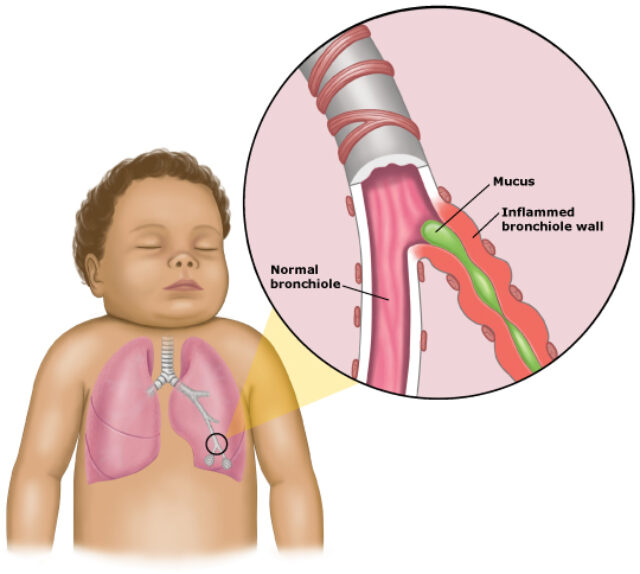
These real life scenarios highlight how age and airway size influence disease impact.
Regional and Global Usage
Developed Regions
In developed countries, advanced healthcare allows early detection and treatment of both bronchitis and bronchiolitis. Vaccination and awareness programs help reduce severe complications.
Developing Regions
In many developing areas, bronchiolitis can be more dangerous due to limited access to pediatric healthcare and crowded living conditions that increase viral spread.
Urban and Rural Differences
Urban areas may see more pollution related bronchitis. Rural areas may experience delayed treatment for bronchiolitis due to limited medical facilities.
Advantages and Disadvantages of Understanding the Difference
Advantages
Helps in early recognition of serious symptoms
Improves treatment decisions and care planning
Prevents misuse of medications such as antibiotics
Supports better communication with healthcare providers
Disadvantages of Confusion
Delayed diagnosis in infants with bronchiolitis
Incorrect home remedies for severe breathing issues
Unnecessary antibiotic use for viral infections
Common Mistakes When Comparing Bronchitis vs Bronchiolitis
Mistake One Thinking Both Diseases Are the Same
Correction They affect different airway sizes and age groups.
Mistake Two Assuming Only Adults Get Bronchitis
Correction Children can also get bronchitis though bronchiolitis is more common in infants.
Mistake Three Believing Antibiotics Always Cure These Conditions
Correction Most cases are viral and require supportive care rather than antibiotics.
Mistake Four Ignoring Breathing Difficulty in Infants
Correction Fast breathing or wheezing in babies needs immediate medical attention.
Mistake Five Confusing Wheezing With Simple Cold
Correction Persistent wheezing may indicate bronchiolitis rather than a mild cold.
Related Concepts and Comparisons
Bronchitis vs Pneumonia
Bronchitis affects the air tubes.
Pneumonia affects the lung air sacs and is usually more severe.
Bronchiolitis vs Asthma
Bronchiolitis is an infection mostly in infants.
Asthma is a chronic inflammatory airway disease that can affect all ages.
Acute vs Chronic Bronchitis
Acute bronchitis is short term and often viral.
Chronic bronchitis is long lasting and linked with smoking or pollution exposure.
Diagnosis Methods
Doctors diagnose bronchitis and bronchiolitis using physical examination and medical history. Listening to lung sounds with a stethoscope helps detect wheezing or mucus. In severe cases, chest imaging and oxygen level tests may be required.
Infants with bronchiolitis are monitored carefully because their oxygen levels can drop quickly.
Treatment Approaches for Bronchitis vs Bronchiolitis
Treatment for Bronchitis
Adequate rest and hydration
Cough relief medications
Avoid smoking and air pollution
In bacterial cases doctors may prescribe antibiotics
Treatment for Bronchiolitis
Monitoring breathing and oxygen levels
Providing fluids to prevent dehydration
Using humidified air to ease breathing
Hospital care in severe cases for oxygen support
Treatment Comparison Table
| Treatment Aspect | Bronchitis | Bronchiolitis |
|---|---|---|
| Main approach | Symptom relief | Supportive care |
| Medication need | Sometimes required | Mostly supportive |
| Hospitalization | Rare | May be needed in infants |
| Recovery time | One to three weeks | Several days to two weeks |
Prevention Tips
Wash hands frequently to prevent viral spread
Avoid close contact with sick individuals
Keep infants away from crowded environments during outbreaks
Avoid exposure to smoke and pollutants
Ensure proper nutrition to strengthen immunity
Beginner to Advanced Understanding
Beginner Level
Bronchitis affects larger air tubes and is common in adults.
Bronchiolitis affects smaller airways and is common in babies.
Intermediate Level
Bronchitis may be viral or bacterial and usually causes productive cough. Bronchiolitis is mostly viral and leads to wheezing and breathing difficulty in infants.
Advanced Level
Medical research shows that airway size and immune response play key roles in disease severity. Infants have narrower bronchioles which makes them more vulnerable to airflow obstruction during inflammation.
Exercises With Answers
Exercise One
Question Which condition mainly affects infants
Answer Bronchiolitis mainly affects infants and toddlers
Exercise Two
Question Which disease inflames larger airways
Answer Bronchitis inflames the larger bronchi
Exercise Three
Question Which illness commonly causes wheezing in babies
Answer Bronchiolitis often causes wheezing in infants
Exercise Four
Question Is bronchitis usually chronic or acute
Answer It can be both but acute bronchitis is more common
Exercise Five
Question What is the main cause of bronchiolitis
Answer Viral infections especially respiratory syncytial virus
Professional Medical Insights
Impact on Pediatric Health
Bronchiolitis is one of the leading causes of hospitalization in infants. Early recognition of symptoms such as rapid breathing and chest retractions is essential for timely care.
Impact on Adult Respiratory Health
Bronchitis can significantly affect adults with smoking history or chronic exposure to pollutants. Long term inflammation may progress to chronic obstructive lung disease if untreated.
Healthcare System Importance
Understanding bronchitis vs bronchiolitis helps healthcare systems prioritize pediatric care during viral outbreaks and improve public awareness campaigns.
FAQs
Is bronchitis vs bronchiolitis the same disease
No they are different conditions affecting different airway sizes and age groups.
Which is more dangerous bronchitis or bronchiolitis
Bronchiolitis can be more dangerous for infants because their small airways can easily become blocked.
Can adults get bronchiolitis
It is rare but possible. Bronchiolitis mainly affects infants and very young children.
Do both conditions cause cough
Yes both bronchitis and bronchiolitis cause cough but wheezing is more common in bronchiolitis.
Are antibiotics needed for bronchitis vs bronchiolitis
Most cases are viral so supportive care is preferred unless a bacterial infection is confirmed.
How long does bronchitis vs bronchiolitis last
Bronchitis may last one to three weeks while bronchiolitis often improves within one to two weeks with proper care.
Can bronchiolitis lead to asthma later in life
Some studies suggest severe bronchiolitis in infancy may increase risk of future wheezing or asthma.
What is the main symptom difference between bronchitis vs bronchiolitis
Bronchitis mainly causes mucus cough while bronchiolitis causes wheezing and fast breathing in infants.
How can parents recognize bronchiolitis early
Watch for rapid breathing, wheezing, poor feeding, and chest retractions in babies.
Why is understanding bronchitis vs bronchiolitis important
It helps in early diagnosis, correct treatment decisions, and preventing severe breathing complications.
Conclusion
Understanding bronchitis vs bronchiolitis is essential for clear respiratory health knowledge. Bronchitis affects the larger breathing tubes and is more common in adults and older children. Bronchiolitis affects the tiny airways deep in the lungs and mainly occurs in infants and toddlers. This difference in airway size explains why bronchiolitis can become serious more quickly in young children.
Recognizing symptoms early can make a major difference in recovery and prevention of complications. Adults with persistent cough and mucus may have bronchitis and usually recover with rest and supportive care. Infants with wheezing and fast breathing may have bronchiolitis and require close monitoring or hospital care in severe cases.
Professionally, healthcare providers recommend good hygiene, avoiding smoke exposure, and seeking medical advice when breathing problems appear. Parents should pay special attention to infant breathing patterns during viral infections. By clearly understanding bronchitis vs bronchiolitis, individuals and caregivers can respond quickly, reduce risks, and protect respiratory health effectively.